Accent Wall Ideas can help you change the look of any room without much effort. By focusing on one wall, you can add color, pattern, or texture that makes the space feel more interesting. Many homeowners choose accent walls to highlight artwork, furniture, or architectural details. You can use paint, wallpaper, wood panels, or creative designs to match your style. Accent Wall Ideas work well in bedrooms, living rooms, kitchens, and even small spaces. With the right approach, a single wall can make your room feel fresh and modern while staying easy and budget-friendly.
37+ Amazing Accent Wall Ideas That Transform Rooms
1. Bold Painted Stripe Wall
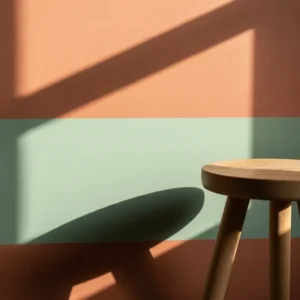
A striped wall adds instant energy without complicated steps. Start by choosing two colors you like. One can be bright, and the other can stay neutral. Mark your lines with painter’s tape and keep a level nearby. Paint one stripe at a time so you don’t rush. If your budget is tight, use leftover paint from old projects. Your stripes don’t need to be perfect or wide. Even thin lines give a nice effect. For a sharper finish, peel the tape while the paint is still slightly wet. This small trick creates smoother edges. A striped accent wall ideas looks great behind a TV, a desk, or even a bed. It helps break up plain rooms and adds shape without buying extra décor. It’s an easy project that works well in rentals, since you can paint it back quickly. Keep your strokes simple and take short breaks between coats so the colors stay clean.
2. Two-Tone Split Wall
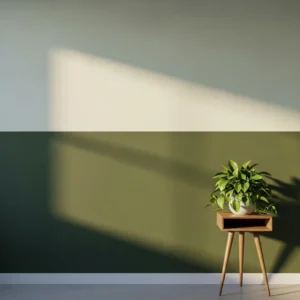
A two-tone wall brings balance to a space and feels peaceful. Choose a lighter shade for the top portion to keep the room bright. A darker color on the bottom adds depth. Mark a straight line across the wall using tape. If you want a sharper look, place the line around the height of a chair rail. This works even if you don’t install an actual rail. Paint one section at a time and let it dry before switching colors. It’s a good option when you don’t want anything too bold but still want the wall to feel different. This idea fits bedrooms, dining areas, and even hallways. It also helps make ceilings feel taller. If you’re decorating on a small budget, choose paint samples instead of large cans. Many stores offer affordable sample pots that cover enough area for this style. Add a small shelf or hooks along the dividing line if you want extra function.
3. Wooden Slat Accent Wall
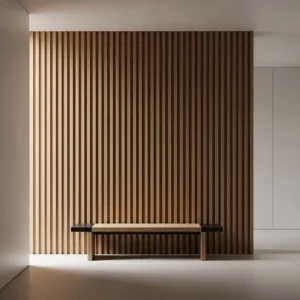
Wooden slats create a warm look and work well in almost any room. You can use affordable pine boards or even cut plywood strips if you want to save money. Space them evenly to form clean vertical lines. Attach them with brad nails or strong adhesive. If you prefer a darker tone, stain the boards before mounting. Slats help add texture without feeling heavy. They pair well with simple décor like plain bedding or soft rugs. If the project feels too big, start with a small section behind the bed or TV. You don’t need to slat the entire wall. Keeping the gaps consistent makes the design stand out. Measure the spacing once and use a scrap piece of wood as a spacer. This keeps the job quick and reduces guesswork. The wood also absorbs sound slightly, making the room feel quieter and more relaxed. It’s a budget-friendly upgrade that looks high-end without a full renovation.
4. Brick Wallpaper Wall
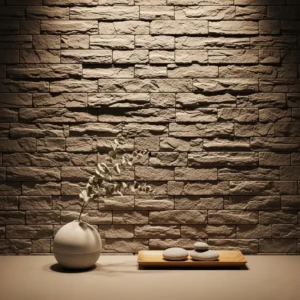
If you want a brick look without construction, brick wallpaper gives a similar effect. It’s easy to install and usually priced well. Peel-and-stick versions work best when you want a faster project. Start with a clean, dry wall so the adhesive sticks properly. The brick pattern adds charm to living rooms, kitchens, or gaming areas. You can use it on a full wall or just behind open shelves. When applying, smooth each strip with a plastic card to remove bubbles. If one side of the pattern looks slightly off, trim it with scissors before pressing down. This simple step keeps the pattern aligned. When removing, peel slowly to avoid damaging the wall. Brick wallpaper creates a bold look without paint, tools, or noise. It’s an easy way to give your room a new mood.
5. Geometric Color Blocks
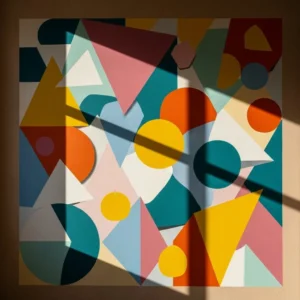
Geometric shapes make a wall playful without feeling messy. Pick three or four colors that work well together. Use painter’s tape to mark triangles, rectangles, or angled shapes. Paint each shape with a small roller for better control. Let one shape dry before starting the next so the colors stay clean. You can keep the shapes large to make painting easier. If you’re decorating a teen room or creative workspace, this style fits well. It also helps make blank corners more interesting. Even one or two shapes can change the look. This idea works with leftover paint since each section uses small amounts. Try adding one bright color as an accent and keep the rest neutral. This keeps the wall balanced. If you ever want a new setup, paint over it with a solid color. The blocks fade easily under a fresh coat.
6. Dark Moody Feature Wall
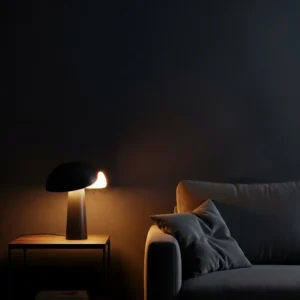
A dark wall creates a calm and cozy setting. Colors like charcoal, forest green, or deep navy add character without loud patterns. If you think a dark shade will make the room small, keep the rest of the décor light. Use white bedding, pale curtains, or soft rugs. The contrast keeps the room open. Dark walls hide minor marks and scuffs, which is useful in high-traffic areas. Use matte paint for a softer finish. It covers better and hides small roller lines. This idea works well behind a TV, bed, or sofa. If you’re worried about committing to a full wall, try painting only half the height first. You can extend it later if you enjoy the look. It’s a low-cost way to add personality without extra materials. Just one can of paint can complete the project.
7. Soft Pastel Accent Wall
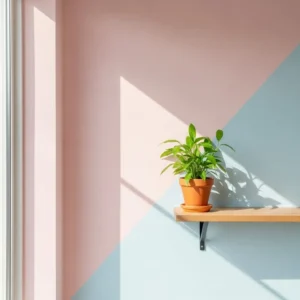
Pastels create a calm atmosphere. Colors like blush pink, mint, lavender, or pale blue keep the room bright. These shades fit well in bedrooms, nurseries, or study areas. They pair nicely with wooden furniture or white décor. Pastels are forgiving when painting, since small mistakes blend easily. You don’t need perfect strokes. If you want extra charm, sponge a slightly deeper shade over the main color. This adds texture without making the wall busy. Sample-size paint pots work great for pastels, keeping your cost low. Pastel walls make small rooms feel open and clean. If you want a soft look without patterns, this approach is simple and quick.
8. Textured Sponge Wall
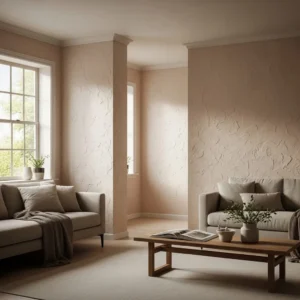
A sponge wall adds movement without needing power tools. Pick one main color and a slightly lighter or darker shade. Dip a clean sponge into the second color and dab gently across the wall. Work in small areas so the paint doesn’t dry too fast. This creates a cloud-like effect. If you want a subtle look, use shades that are close together. For a stronger look, use a bigger contrast. This style hides small dents and imperfections well. It’s very cost-friendly since you only need paint and a simple sponge. You can redo the texture anytime by repainting the base color and starting fresh. This makes it a friendly option for beginners.
9. Boho Woven Wall Section
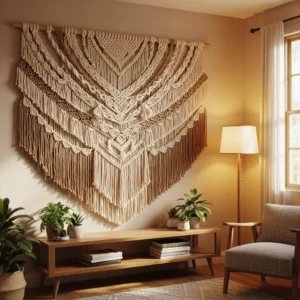
Boho décor brings warmth using natural textures. Instead of painting, you can create an accent wall with woven pieces. Hang macrame, rattan panels, or woven tapestries across a section of the wall. You don’t need to cover the whole space. A wide tapestry works well behind a bed or sofa. If you’re trying to stay within budget, look for cotton or jute pieces from local markets. You can even try making a simple macrame piece with rope and knots. Keep the rest of the room simple so the texture remains the focus. This idea requires no paint and little setup time.
10. Canvas Art Gallery Wall
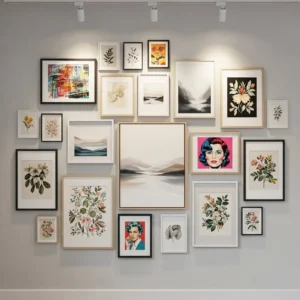
Gallery walls add personality without major changes. Collect canvas pieces you like, even small ones. Arrange them on the floor before hanging to find a layout you prefer. You can mix sizes or keep them uniform. If you’re on a tight budget, print digital art onto canvas at affordable shops. Leave a small gap between each piece to keep the wall tidy. Use command strips for damage-free hanging. A gallery wall fills empty space and makes the room feel complete. You can switch out pieces anytime without repainting.
11. Minimal Monochrome Wall
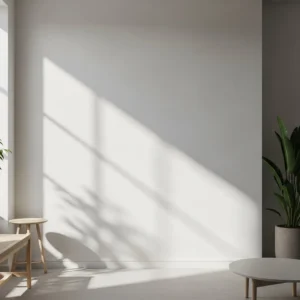
A monochrome wall works when you want a clean, simple look. Stick with one shade, like white, cream, or soft gray. This makes the rest of your décor stand out. Add texture by using matte paint instead of glossy. You can also place a few neutral shelves or light artwork over the wall. The goal is simplicity, which keeps the space peaceful. This is a great idea for renters since neutral colors are easy to repaint. It also matches any furniture you already have, saving money.
12. Chalkboard Accent Wall

A chalkboard wall adds fun and function. Use chalkboard paint, which you can find in most stores. Apply two coats for better coverage. Once it dries, condition the wall by rubbing chalk all over and wiping it off. This step prevents ghost marks later. You can draw reminders, doodles, or weekly planners. Kids love it, but it works well in kitchens too. If painting a full wall feels too much, make a smaller chalkboard box using tape. This gives you the same benefit with less paint.
13. Framed Fabric Feature Wall
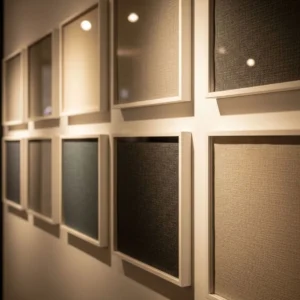
Fabric adds color without paint. Pick patterns you enjoy and place them inside frames. You can mix prints like florals, stripes, or abstract designs. This works well when you want a fast update without mess. Many leftover fabric pieces from old clothes or curtains can be reused. Hang the frames in a grid or staggered layout. It brings life to the wall while staying low-cost. If you get bored with a pattern, swap the fabric inside the frame.
14. Rustic Wood Panel Wall
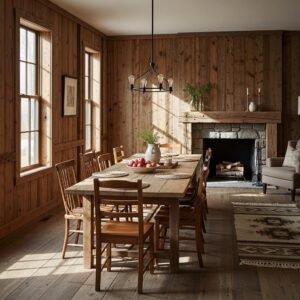
Rustic wood gives a cozy, cabin-like feel. You don’t need thick boards. Thin peel-and-stick wood panels are easy to apply and budget-friendly. They work well in bedrooms, dining rooms, or entryways. Clean the wall first so the adhesive sticks well. If your panels come in mixed shades, arrange them on the floor to pick a pattern. Stick them from the bottom up to keep lines straight. The natural grain adds charm to plain walls and pairs well with neutral furniture.
15. Wallpaper Mural Wall
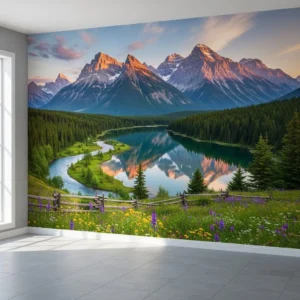
A mural makes the wall feel larger and more artistic. Choose themes like mountains, flowers, or abstract shapes. Peel-and-stick murals are easy to apply and remove. Work slowly from the top to avoid wrinkles. Smooth each section as you go. If you want a budget option, select murals that come in smaller panels. They cost less and still look beautiful. A mural becomes the main feature of the room, so keep surrounding décor simple.
16. Vertical Painted Arch
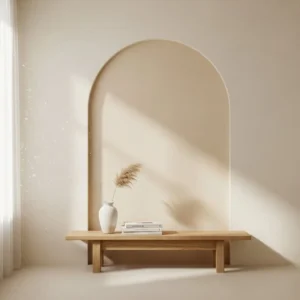
A painted arch adds shape and charm. You only need one color and painter’s tape. Use a string and pencil to draw the curve. Fill in the shape with a small roller. Place the arch behind a desk, plant, or nightstand. It frames objects nicely. If you’re on a budget, pick sample-size paint pots since the shape is small. The arch softens sharp lines in a room and adds subtle style.
17. Subtle Stencil Accent
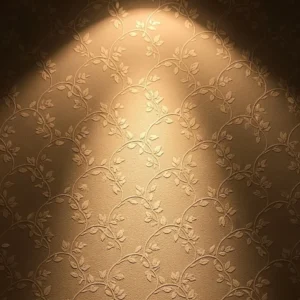
Stencils add detail without overwhelming the room. Choose a simple design like leaves, dots, or small geometric shapes. Use a stencil brush with very little paint to prevent bleeding. Tap gently instead of brushing. This keeps edges sharp. You can stencil the whole wall or just a corner. It’s a low-cost way to create pattern since one stencil can last multiple uses. Stick with soft colors for a calm effect.
18. Painted Window Frame Wall
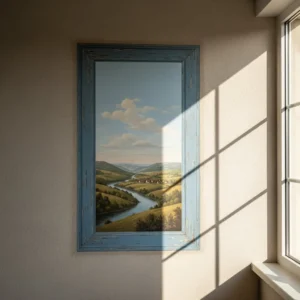
Creating a faux window frame adds depth to the room. Tape off a rectangle or square and paint the inside a lighter or darker shade. Add thin lines to mimic window bars if you want more detail. This trick works well in small bedrooms or hallways where you want the space to feel open. You only need a little paint, making this project very budget-friendly. Pair it with simple wall décor to keep the effect clear.
19. Panel Grid Accent Wall
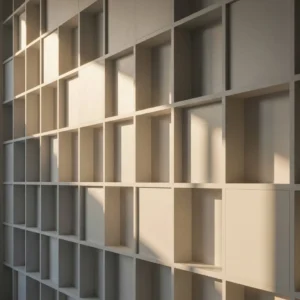
A grid wall adds structure and balance. Use thin trim pieces from the hardware store. Cut them to size and attach them with adhesive or nails. Paint the whole wall afterward so the grid blends with the color. This creates a calm, polished look. It works well in bedrooms or offices. Trim pieces are usually inexpensive, so it’s a great idea for budget makeovers. Measure your grid spacing before installing to keep the layout tidy.
20. Soft Ombre Gradient Wall
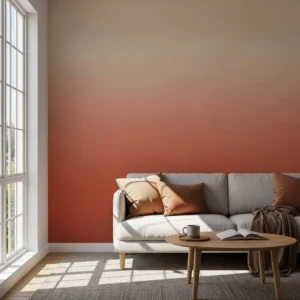
An ombre wall brings a soft fading look that feels peaceful. Start with two or three shades of the same color. Paint the lightest at the top and darkest at the base. While the paint is still wet, blend the shades with a dry roller. Work in small sections to keep the gradient smooth. This idea pairs well with plants, light furniture, and cozy décor. You only need basic tools, making it friendly for beginners.
21. Painted Door Frame Accent
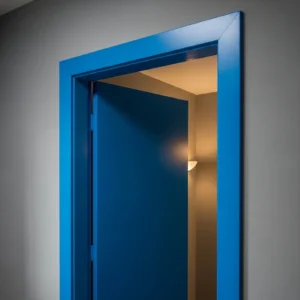
Painting only the door frame creates a simple but eye-catching effect. Choose a color that clearly stands out from the wall. Even a narrow outline changes the mood of the room without painting the whole space. Clean the frame first and use painter’s tape to keep edges neat. This idea works well in hallways, bedrooms, or entryways. It’s also a great choice for renters, since repainting a frame is quick. If you want extra charm, paint a small border around the frame itself. The project uses very little paint, keeping your cost low. It also ties the room together when you match the color with pillows, rugs, or one small décor piece.
22. Large Statement Mirror Wall
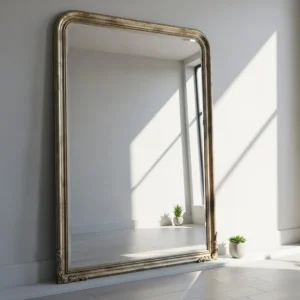
A large mirror makes any room feel more open. You can place one big mirror instead of several small pieces. Look for frameless, thin-edge, or lightly framed designs depending on your style. Leaning the mirror against the wall is a great option if you want less drilling. Mirrors also brighten dark corners by bouncing light around the room. If you’re staying within budget, check local markets for second-hand mirrors. Even slightly scratched ones can be refreshed with a new frame. Keep the surrounding décor simple so the mirror stays the focus. Add a small plant or lamp nearby to enhance the reflection.
23. Painted Diagonal Wall
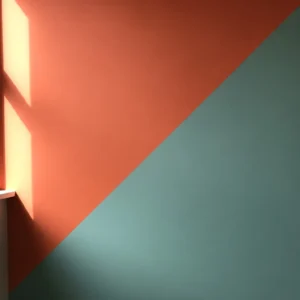
A diagonal accent adds movement to the room. Draw a long tape line from one corner to the opposite side. Paint one section with your chosen color and leave the other neutral. The angle creates visual interest without complicated patterns. This technique works well behind desks, beds, or reading chairs. Use a laser level if you want a sharper line, but a simple tape line works fine for most people. Sample-sized paint pots are enough for small diagonals. This idea is great for beginners because any mistakes blend easily once décor is added.
24. Framed Poster Collage

Posters are an easy way to fill empty wall space. Choose your favorite themes—travel, music, scenery, or minimal art. Frame them to keep the look tidy. You can mix frame sizes or use identical ones for a more organized style. This idea works well for renters since you can use adhesive strips instead of nails. If you’re saving money, print digital posters at home or at a low-cost shop. Swap designs anytime without repainting. A poster collage adds personality instantly, even in small rooms.
25. Natural Stone Peel-and-Stick Wall
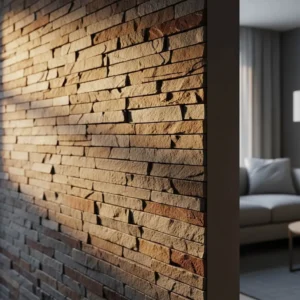
Peel-and-stick stone panels give the wall a textured look with very little effort. Many panels mimic real stone so well that visitors may not notice the difference. Clean the wall first and measure your layout before applying. Start at the bottom to keep lines steady. These panels are great behind TV units or fireplaces. They pair nicely with wood, plants, and warm lighting. Although they look strong, the installation is simple enough for beginners. You can cover a small portion instead of the entire wall to stay within budget.
26. Painted Headboard Wall
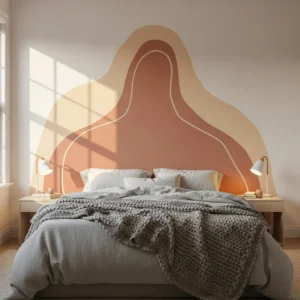
Instead of buying a headboard, paint one on the wall. Draw a rectangle, arch, or rounded shape behind the bed. Fill it with a color that complements your bedding. This idea creates a cozy frame and saves money. A painted headboard gives the room attention without heavy furniture. Use a small roller for smoother coverage. This project also lets you change the shape whenever you want a new look. For extra charm, paint a thin border around the shape in a second shade.
27. Simple Shelf Accent Wall
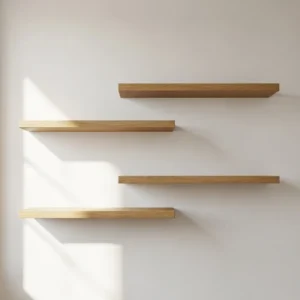
Shelves turn a plain wall into a functional feature. Install two or three floating shelves and style them with books, plants, or small décor pieces. Choose lightweight shelves if you’re renting. Even basic wood planks work if you want a low-cost option. Stain them lightly for a warm tone or leave them natural. Keep spacing even so the layout feels balanced. Switch items seasonally for quick updates. A shelf accent wall works in small rooms where you want both style and storage.
28. Painted Circle Accent
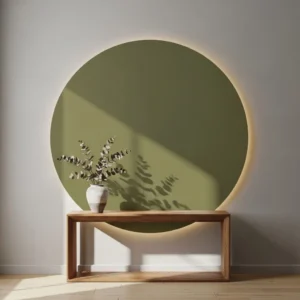
A painted circle adds a fun focal point. Choose a contrasting color and draw a circle using a string and pencil method. Fill it with a roller or brush. Place it behind a plant, chair, or side table to frame the area. Circles soften straight lines in modern rooms. This project uses very little paint, making it budget-friendly. You can also layer a second smaller circle inside if you want extra detail. This accent is great for small rooms because it doesn’t overwhelm the space.
29. Fabric-Covered Wall Panel
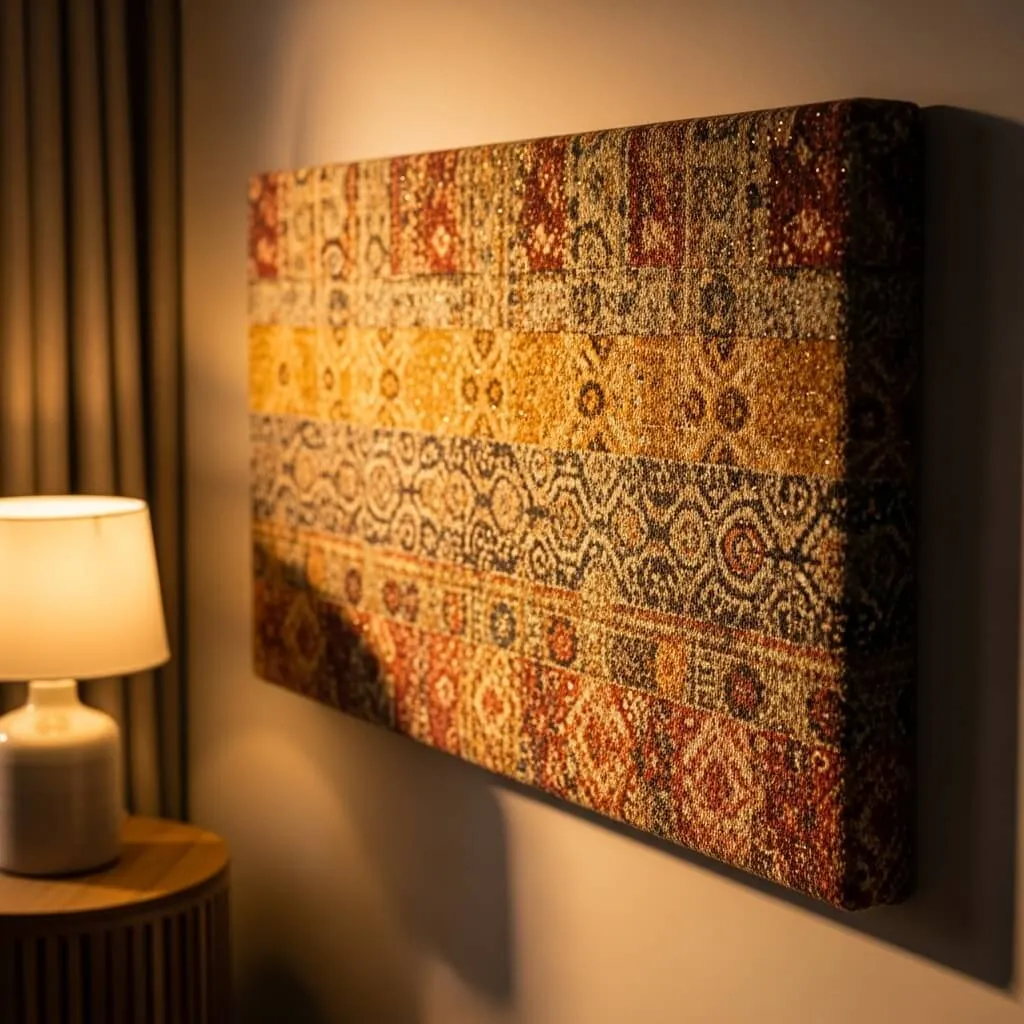
Instead of covering the entire wall, create one large fabric panel. Stretch fabric over a wooden frame and staple it at the back. Hang the panel like artwork. Choose patterns that match your style—stripes, abstract, or floral. This gives the effect of wallpaper without the commitment. It also allows easy changes because you can switch the fabric anytime. Use leftover fabric to save money. The panel adds color and texture while keeping the room calm and tidy.
30. Horizontal Wood Strip Wall
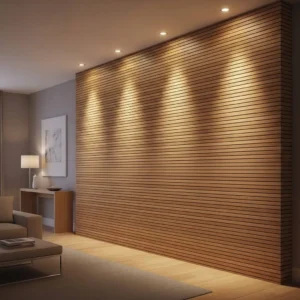
Thin horizontal strips create a modern, smooth look. You can cut plywood into narrow pieces to keep the cost low. Space the strips evenly and attach them with adhesive or nails. Paint them the same color as the wall for a subtle textured effect. This works well behind sofas or in hallways. It brings structure without feeling heavy. You can also leave the wood natural for a warm tone. The project is simple enough for beginners.
31. Checkerboard Painted Wall
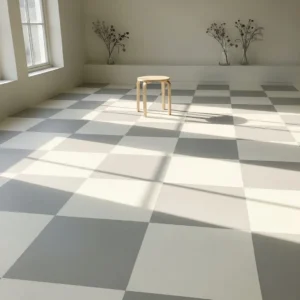
A checkerboard pattern adds charm without feeling loud. Choose two colors with slight contrast. Mark equal squares using a level and tape. Paint one set of alternating squares and let them dry completely before removing the tape. Repeat the process for the second color. This design works well in kitchens, craft rooms, or reading spaces. It takes patience but uses minimal supplies. Keep the colors soft for a calm effect or choose bolder tones for a playful look.
32. Leaning Ladder Décor Wall
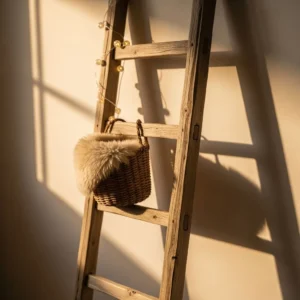
A leaning ladder is a simple décor piece that fills empty wall space. Use it to hang blankets, plants, or small baskets. You can buy one or build one using basic wood pieces. Stain or paint it to match your room. This idea is great when you want a quick update without tools or paint. A ladder brings height and structure, especially in small bedrooms or living rooms. It’s also easy to move around whenever you want a different layout.
33. Partial Board and Batten Wall
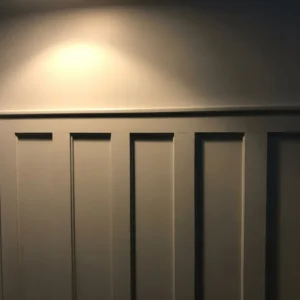
Board and batten adds texture through simple vertical boards. You don’t have to cover the whole wall—just the lower half works well. Attach trim pieces evenly and paint everything one color. This creates a calm, structured look. It pairs nicely with cozy décor, plants, and simple artwork. Trim pieces are affordable, especially if you choose lightweight wood. This project transforms dining rooms, entryways, or bedrooms without heavy construction.
34. Painted Niche Accent
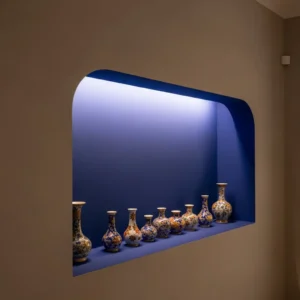
If your wall has a niche, paint the inside with a striking color. It highlights décor items like vases, books, or plants. Even small niches make a difference when painted. Choose a color that contrasts with the wall. This trick creates depth, especially in hallways or living rooms. If you don’t have a niche, you can create the look by painting a rectangular box shape behind shelves. This gives a similar effect at a very low cost.
35. Slanted Panel Accent Wall
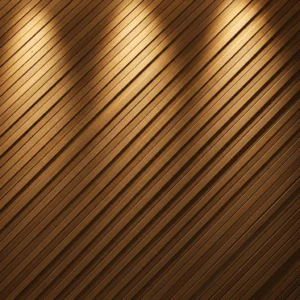
Diagonal wood panels add dynamic movement. Cut wood boards or plywood strips and attach them at an angle. Paint them or stain them depending on your style. This creates a modern geometric look. Start at one corner and work your way across to keep spacing consistent. It works well behind beds or in entryways. If you want to lower costs, use thin plywood strips instead of thicker boards.
36. Soft Cloud Paint Wall
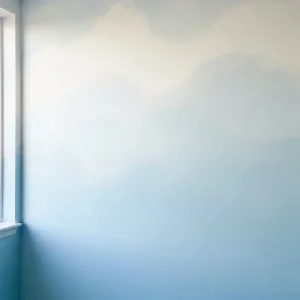
A cloud-like wall brings a calm feeling to bedrooms or nurseries. Use white and soft blue paint. Start with the lighter color and blend the blue with a dry brush or sponge. Work in loose, circular motions. The effect doesn’t need to be perfect. It’s a gentle, dreamy style that hides small flaws on the wall. You only need small amounts of paint, making it cost-friendly.
37. Metal Wall Grid for Décor
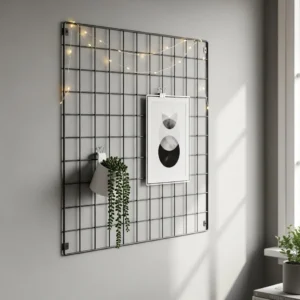
A wall grid gives you a flexible way to display items. Hang lightweight décor, notes, small plants, or photos on the grid using clips. The grid itself is thin and simple to mount. It works well in offices, bedrooms, or study corners. This is a low-cost décor idea—many grids are very affordable. You can spray-paint the grid to match your color theme. Change the arrangement anytime without repainting.
38. Corner Accent Wall
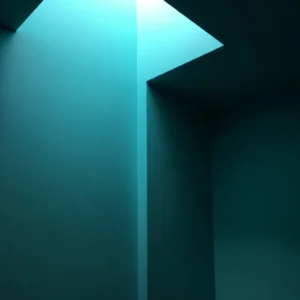
Instead of painting one wall, paint the corner area. Choose a color that wraps from one wall to the next. It creates a framed section without committing to a full-wall paint job. This works well behind desks or reading chairs. It’s perfect for small rooms where you want a highlighted area. Use painter’s tape to keep edges sharp. This project uses very little paint and is fast to finish.
39. Painted Squares Accent
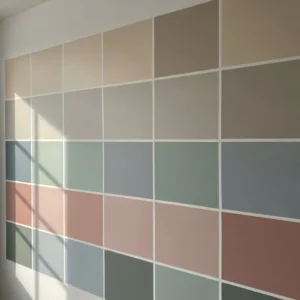
Painted squares create a simple patterned wall. Choose two or three colors and mark square outlines lightly with pencil. Paint each square with a brush or small roller. Leave small gaps between squares to keep the pattern clean. This idea works well for craft rooms or playful corners in bedrooms. It’s also easy to repaint individual squares if you want to change the color scheme later. This project uses small amounts of paint, making it budget-friendly.
40. Nature-Inspired Leaf Stamp Wall
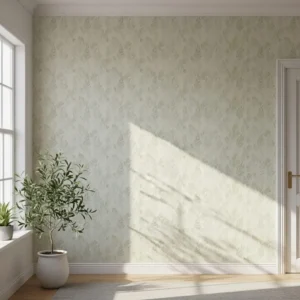
Leaf stamping adds a soft natural look. Use a sponge cut into a leaf shape or buy a rubber stamp. Dip it lightly in paint and press gently onto the wall. Keep the pattern spaced for a clean, airy feel. Choose soft greens or light browns for a calm nature vibe. This idea fits well in entryways, reading corners, or kitchens. It’s low-cost since you only need a little paint and a simple stamp. You can also mix small and large leaf shapes for variety.
Conclusion:
Accent walls give you simple, affordable ways to refresh any room. Many of these ideas use small amounts of paint, basic tools, or quick décor pieces. You can try one section at a time and adjust as your style grows. A single color change, shape, or texture can shift the entire feel of a space. Pick one idea that matches your room today and enjoy the difference it brings.